It was a mixed week as rumours then denials about a deal to re-open the Strait of Hormuz had traders on edge. Bond yields have come off their earlier highs and the equity markets put in a positive week helped by decent earnings and the belief hope for a truce in the Middle East. The same sentiment had oil trading below $100 per barrel, despite a lack of ships making it out of the Persian Gulf.
| Index | Close May 21st 2026 | Close May 28th 2026 |
| S&P500 | 7,452 | 7,570 |
| TSX60 | 34,409 | 34,518 |
| Canada 10 yr. Bond Yield | 3.55% | 3.44% |
| US 10 yr. Treasury Yield | 4.57% | 4.46% |
| USD/CAD | $1.37774 | $1.37817 |
| Brent Crude | $104.62 | $94.20 |
| Gold | $4,540 | $4,498 |
| Bitcoin | $77,507 | $73,367 |
Source: Trading Economics & Factset
As I write this on Thursday afternoon, there are rumours that Iran and the US Administration have reached a deal to re-open the Strait of Hormuz to shipping. The terms have yet to be sanctioned by President Trump, but traders (and everyone else) are hopeful. This after a week where the US President threatened Oman and Iran exchanged fire with US and Gulf Country forces despite the current truce. The situation remains “fluid”.
The US inflation rate rose a bit less than expected in April. The Fed’s preferred inflation measure, Personal Consumption Expenditures (PCE), rose from 3.5% in March to 3.8% in April. Expectations were for a 3.9% rate. The rate remains well above the Fed’s target of 2%, which should take rate cuts off the table. Not surprisingly, higher inflation, higher mortgage rates, and strained household budgets have been a downer for consumer sentiment in the US.
Canada’s banks continue to post strong profitability with all 6 of the major banks beating estimates this week. The rise in profits was broad based including lower loan loss provisions, wealth management operations, and capital markets activity. 5 of the 6 big banks raised their dividends, CIBC being the lone exception. CIBC opted to sell its Caribbean operations to the Bank of NT Butterfield & Son for shares and cash. This gives CIBC 2 seats on Butterfield’s board and a 22% stake. The cash will be invested in US wealth manager “&Partners”.
Inertia is not just the lack of desire to leave the couch. This week Bank of Canada External Deputy Governor Nicolas Vincent pointed to the Canadian labour market which is in a “low fire/low hire” environment. This inertia in the jobs market is the result of structural changes including a mismatch between the skills needed and those on offer. Youth have been the most affected with a dearth of entry-level jobs available. The jobless rate for those between 15 & 24 reached a record low of 9% in 2022 but has climbed to over 14% in the past 4 years. That may reverse with the reductions in international students and temporary foreign workers.
Canada has signed a 20-year deal with Germany to sell 1 million tonnes of LNG per year. The deal is expected to make the Ksi Lisims LNG project viable. The Nisga’a Nation is one of the proponents of the project. The route from BC’s northern coast to Germany may seem like a long one, but in reality, Germany will use the LNG in swap arrangements with other consumers. Essentially selling the gas to someone closer to Canada (Asia) and taking up their supply from a source closer to Germany. The deal helps Germany diversify its supply. A win for both countries.
In another European deal, Canada has opted to buy Sweden’s Saab Globaleye surveillance aircraft. The system is built on a Bombardier 6500 executive jet with Saab radar and sensors. It is part of the governments push to diversify away from US suppliers. It also fits into the domestic defence industrial strategy to strengthen our own industrial base.
China’s Huawei has announced a breakthrough in semiconductor (chip) design. The company (and country) have been shut out of the market for the fastest and most advanced chips thanks to US sanctions. Huawei has been stuck on 7 nanometre chips while the most sophisticated smartphones are now running 3 nanometre chips. The company expects be able to produce 1.4 nanometre chips by 2031. The technology involves “folding” circuitry into vertical stacks. The technology also points out that Moore’s Law (that chip’s power/speed will double every 18 months) is running out of steam with today’s technology. A nanometre = 1 billionth of a metre.
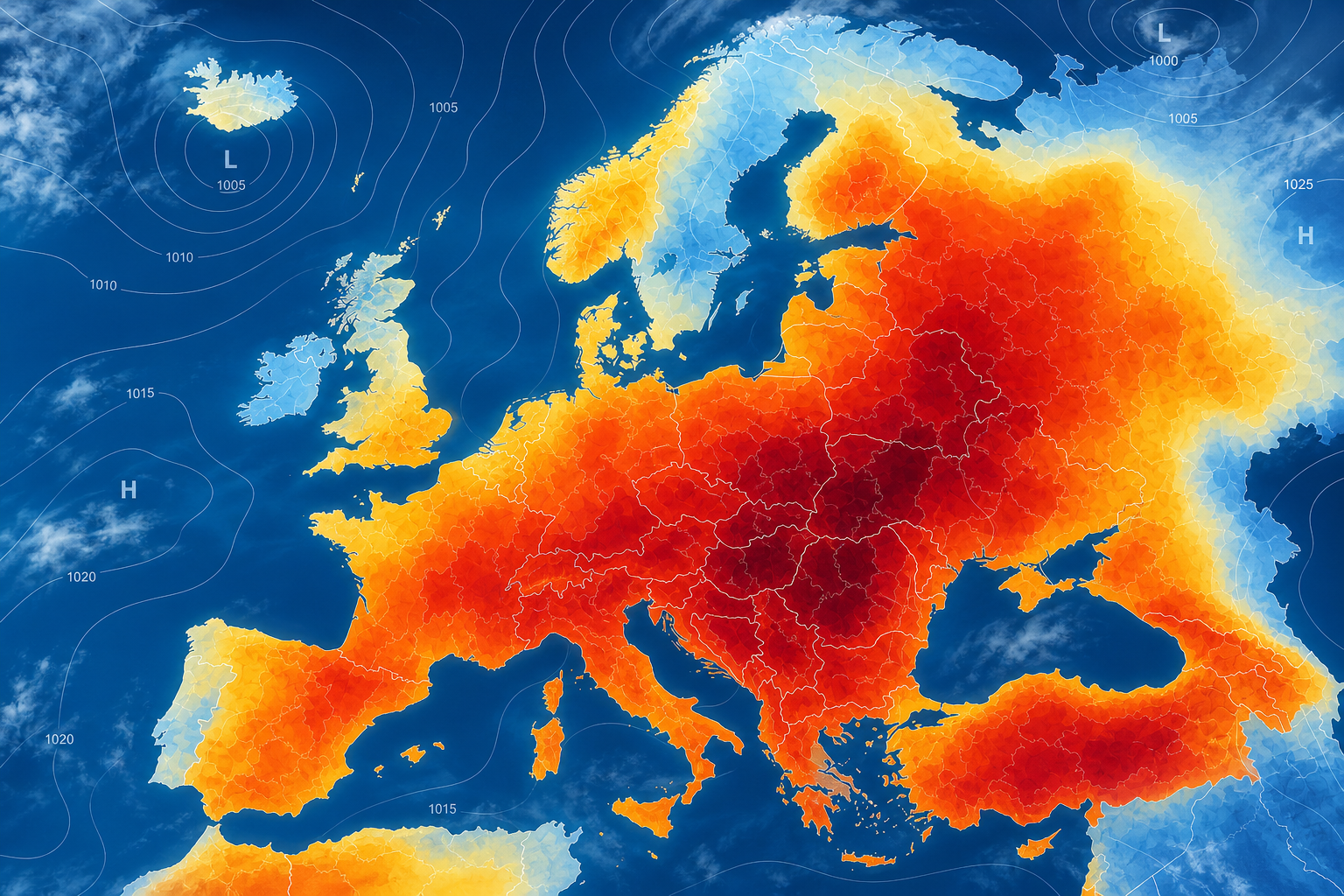
While the Westcoast of Canada is expecting a hot dry summer thanks to El Nino, western Europe is already into it. Temperature records are already falling across the continent readings 10c+ over seasonal norms. London hit 35c. Not fun in a country where air conditioning is not common.
On that note, we’ll close off with Linda Rondstadt’s take on heatwaves… enjoy
Russ Lazaruk, RIAC, CIWM, CIM, FCSI
Managing Director & Portfolio Manager
