While month to date returns have been positive for equity and bond markets, the past week has been one of weakness. The bond market has been showing signs of weakness, especially longer dated bonds, which has trickled over to the equity markets. On the positive side of the ledger, the Loonie is showing strength along with oil, gold and bitcoin.
| Index | Close Aug. 13th 2026 | Close Aug. 20th 2026 |
| S&P500 | 7,799 | 7,646 |
| TSX60 | 36,759 | 36,365 |
| Canada 10 yr. Bond Yield | 3.63% | 3.76% |
| US 10 yr. Treasury Yield | 4.65% | 4.71% |
| USD/CAD | $1.39309 | $1.37934 |
| Brent Crude | $87.07 | $93.47 |
| Gold | $4,349 | $4,527 |
| Bitcoin | $63,406 | $72,708 |
Source: Trading Economics
These next 2 items are related. The US Federal Debt climbed to over $40 Trillion this week. That number is 123% of the US’ gross domestic product (GDP). The real danger is that there is no plan from anyone to meaningfully bring the fiscal situation under control. Sovereign debts and deficits can be sustained IF the growth in debt (the deficit) is less than GDP growth. Currently the US has GDP growth of 2.1% and a budget deficit that is ~5.8% of GDP. This is not a sustainable path, reserve currency or not.
The yield on long dated US Treasuries (government bonds) has been climbing with the 30 yr. Treasury reaching levels (5.26%) last seen in 2007. The 10yr. yield is also climbing ticking over 4.7%. The move sparked a surprise intervention with the US Treasury buying long-date Treasuries in the open market. The rise in yields is a caused by several factors including a deteriorating fiscal situation, higher oil prices & inflation, and a large issuance of corporate bonds to fund AI initiatives. The markets are rightfully sceptical of government intervention in the bond market. With an almost $2 trillion deficit, they are buying back debt with…. more borrowed money.
Headline inflation ticked up in Canada to 3% in July. The rise was mostly due to higher gasoline prices. Core inflation was more muted with the Bank of Canada’s favoured measurement CPI-Trim registering 1.9% and CPI Median registering 2%. These core numbers will give the BoC leeway to hold rates steady.
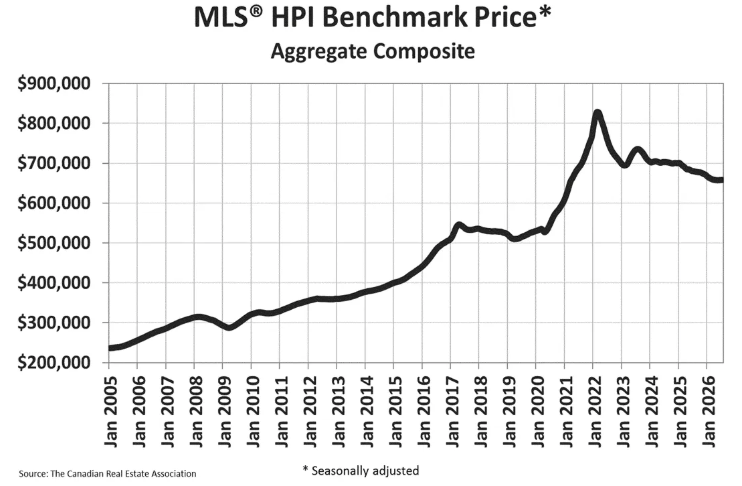
Canada’s housing market is showing signs of returning to balance. Sales are starting to improve, and prices have ticked up after months of decline. The average national sale price was $674,819 in July up 0.2% from the same time in 2025. However, the number of sales was lower. The national averages do obscure some wide regional disparities. Ontario & BC have been moving away from a buyers’ market while parts of the Prairies, Atlantic Canada, and Quebec have seen the sellers’ market cool.
Apparently, we are close to a trade deal with the US. I say apparently as it can all end on a late night social media posting from Donald Trump. After pausing the imposition of additional tariffs for 3 days, negotiators are finalizing the terms of the deal, which will reportedly reduce US tariffs on Canadian steel, aluminum, and auto parts. There is no word (as I write this) on forestry or dairy. However, we may see American booze back on the shelves.
Gas prices at the pump have jumped again reaching $2.09 in Victoria. That catches most people’s attention. But there is a potentially more serious crunch developing with diesel fuel. The ongoing closure of Hormuz, the halt of diesel exports from Russia, and restrictions of exports from China are putting pressure on a commodity that is part of the economic backbone. Whether it is long-haul delivery trucks, trains, or heavy equipment for mining and construction, diesel is the fuel that powers them and by extension the economy. The average US price is up 40% from 1 year ago.
Here’s some encouraging news. Drug makers Moderna and Merck have announced that their melanoma cancer vaccine has hit its goals in late-sage trials. The vaccine is based on immunotherapy and mRNA technology. Yes, the same mRNA tech used in the Covid vaccine. According to the Canadian Cancer Society, around 11,300 people are diagnosed with melanoma every year in Canada with an estimate 1,250 dying from it. It is the most common form of cancer for those aged between 15 and 50.
Who doesn’t love a dancing robot? This week, the world’s largest maker of humanoid robots, Unitree, made its appearance on the Shanghai stock market, where the shares surged 600%. The real value is not in the dance routines but the commercial and industrial applications of the robots. Advances in AI are accelerating the abilities of robots to perform more complex tasks. With a declining workforce, China sees the robots as the next generation of factory workers. If Isaac Asimov were alive today….
We’ll close off with this classic from Styx while we ponder the future…..

Russ Lazaruk, RIAC, CIWM, CIM, FCSI
Managing Director & Portfolio Manager
